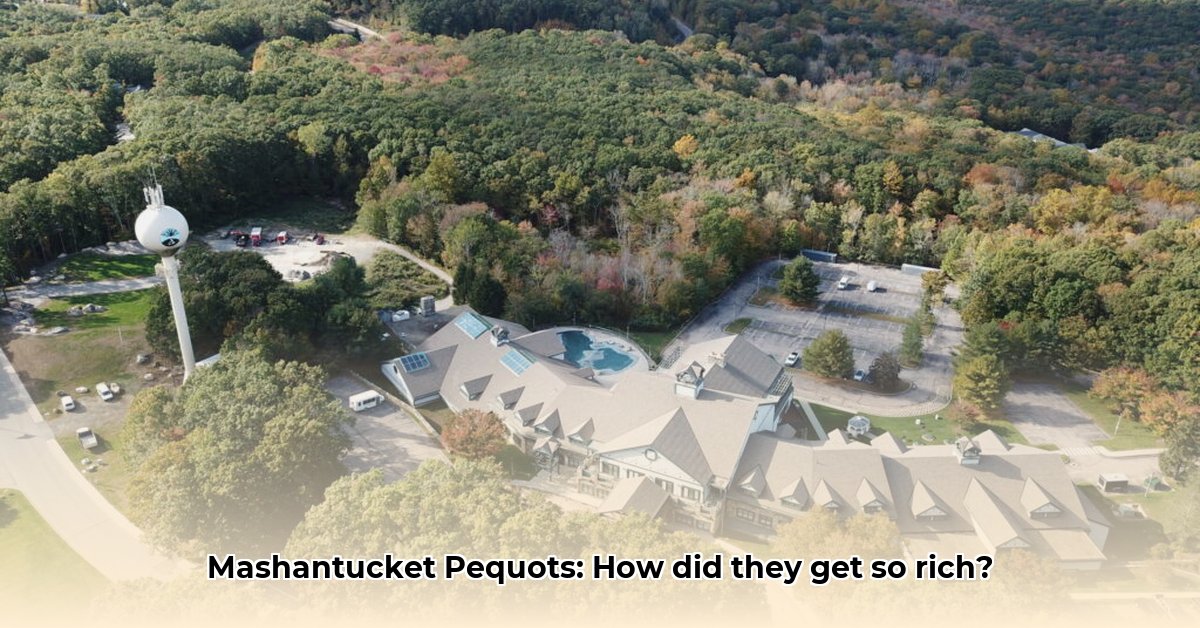
The Mashantucket Pequot Tribe's remarkable wealth, largely attributed to the success of Foxwoods Resort Casino, stands as a compelling case study in Native American economic development. But their story extends far beyond the flashing lights of the casino floor; it's a narrative of strategic planning, calculated risk-taking, and a commitment to building a diversified and sustainable economic future. How did they achieve this, and what lessons can other tribes learn from their journey?
The Foxwoods Phenomenon: A Foundation Built on More Than Just Luck
Foxwoods, a sprawling entertainment complex, is undeniably the cornerstone of the Mashantucket Pequot Tribe's financial success. But its success wasn't a matter of blind luck. It was the result of meticulous planning, shrewd negotiation with state authorities, and a keen understanding of the market. They didn't merely construct a casino; they created a destination, a vibrant hub of entertainment that draws millions of visitors annually. This initial triumph, however, was just the first step in a broader economic strategy. Isn't it remarkable how a single, well-executed venture could transform the trajectory of an entire community? The tribe understood the need to manage the inherent risks of the gaming industry and to create additional revenue streams to ensure long-term financial stability.
Beyond the Games: Diversification for a Sustainable Future
The Mashantucket Pequot Tribe hasn't rested on their laurels. They've cleverly diversified their investments, mitigating risk and ensuring the prosperity of future generations. This forward-thinking approach exemplifies their commitment to sustainable economic growth. Let's delve into some key diversification strategies:
Real Estate Development: The tribe owns and manages numerous properties beyond Foxwoods, generating substantial rental income and creating a diversified revenue stream. This wise strategy provides financial stability even during periods of economic fluctuation in the gaming industry.
Strategic Investments: The Mashantucket Pequot Tribe has wisely invested in a broad range of sectors, including stocks, bonds, and potentially other businesses. This well-diversified portfolio minimizes reliance on any single investment, ensuring long-term financial resilience.
Tourism and Hospitality: Recognizing the synergistic potential of Foxwoods, the tribe has further developed its tourism infrastructure. Hotels and restaurants catering to casino visitors generate additional revenue streams and enhance the overall guest experience.
Governance and Wealth Distribution: A Balancing Act
Managing significant wealth necessitates equitable distribution and sound governance. The Mashantucket Pequot Tribe has established mechanisms to ensure fair distribution among its members, fostering community well-being and promoting social cohesion. While the specifics of these systems are largely confidential, their effectiveness is essential for maintaining long-term stability and trust within the community. This commitment to equitable distribution underscores the tribe’s dedication to social well-being and long-term sustainability.
Comparing Strategies: Lessons from Other Tribal Success Stories
The Mashantucket Pequot's success isn't unique; other Native American tribes, such as the Seminole Tribe of Florida, have also achieved remarkable economic growth. However, their approaches often differ significantly. By comparing and contrasting successful strategies, we can gain a more nuanced understanding of the factors that drive economic prosperity and the challenges inherent in such endeavors. The following table highlights some key differences:
| Tribe | Primary Revenue Sources | Key Success Factors | Notable Challenges |
|---|---|---|---|
| Mashantucket Pequot | Gaming, Real Estate, Investments | Strategic planning, skillful negotiation, diversification | Maintaining long-term sustainability, competition |
| Seminole Tribe of Florida | Gaming, Hospitality, Tourism | Diversification, strong leadership, aggressive investment | Regulatory changes, dependence on specific market sectors |
The Future: Opportunities and Uncertainties
The Mashantucket Pequot Tribe's economic achievements represent a significant milestone in Native American economic self-determination. However, their future isn't without challenges. The ever-evolving gaming industry, potential economic downturns, and shifts in consumer preferences all pose potential risks. Their ability to adapt and innovate – embracing emerging technologies and market trends – will be essential for continued success. Their diversification efforts should provide a significant buffer against unforeseen economic shifts, ensuring the continued economic well-being of the tribe for generations to come.
How to Diversify Native American Tribal Economies Beyond Gaming: Key Takeaways
- Strategic Planning: A comprehensive long-term diversification plan is paramount. This involves thorough market research, risk analysis, and the establishment of clear, achievable goals.
- Capacity Building: Invest in workforce development. Skilled employees across various sectors are crucial for successful diversification.
- Strategic Partnerships: Collaboration with private businesses and government agencies provides access to resources and expands opportunities.
The Mashantucket Pequot Tribe's journey inspires and offers valuable lessons for other Native American nations striving for economic self-sufficiency and long-term prosperity. Their story serves as a testament to the power of strategic planning, resilient leadership, and a commitment to a diversified economic future.